- Apr 15
5 Game-changing tips from my journey as an independent illustrator & graphic designer
Hey, creatives! I’m Irene, an independent illustrator, graphic designer, and creative director. I run my own design studio Deeply, and know both sides of work – from the freelance and client perspective. I will soon share my expertise, tips & tricks, and great finds with you in this newsletter, so stay tuned and support me by subscribing!
This article is not brand-new but still worth putting here on Substack – it has lots of tips for all creative folks who are just starting out or need some management inspo!
In the world of design and illustration freelancing, creatives often have questions and doubts about how to handle different things, especially at the beginning of their careers. I’ve been there too. Freelancing can be a bit tricky, full of learning and adapting.
When I started my career, I didn’t have anyone to guide me, so I learned everything from scratch. It was actually kind of fun! Over the years, I’ve figured out some important things that had the biggest impact on my journey (and I see this impact every day!).
Let’s dive into each of them.
1. Make the process simpler
Both for yourself and your clients. It was a game-changer for me — every time I improved my workflow and made it simpler, I noticed more efficient work for myself and gained confidence from my clients.
Imagine committing to something important to you and spending your money on it. If you don’t really understand how all this works, you will stress, ask lots of questions, or feel a struggle. It’s risky, isn’t it? Don’t force your clients to ask you unnecessary questions. It will save you both so much time.
Work on your workflow, over and over again. I literally do that all the time. Make it clear to them how to work with you and what to expect during the work together. It will help you build trust, showcase your expertise, and define a clear and simple work process at the beginning of every project.
The best advice that I’ve gotten is that your number one job priority is to assure the client that nothing will go wrong and you will take care of everything so that they can sleep easy at night. — Chris Do, Business Coach
2. Know your value
How do you value yourself? Do you know what you bring to your client besides the design? If you can’t answer, it’s something you gotta think about. All our positioning and our beliefs are based on how we value ourselves.
Why do you charge what you charge? What do you do differently? For sure it’s not about compensation only; It’s about clearly explaining to potential clients what makes you valuable — the special mix of skills, expertise, and unique qualities you have.
When you know and share your value well, you not only make a fair compensation but also create a feeling of respect for what you bring to the table. And don’t let others reduce your value — you’ve invested time in yourself and your expertise. If you know what you do and do it well, you shouldn’t doubt your value.
There’s a great video from The Futur about value-based pricing.
3. Set clear boundaries
Everyone’s preferences are different, but that’s exactly why you should be aware of your personal rules. Essentially, it’s the very first step to clarify your rules and terms of the game.
I call these ‘boundaries’ because they are something you define for yourself and are not willing to break. However, it goes beyond just terms and conditions for quotes; you should understand your ‘do’s’ and ‘don’ts’ and establish them as early as possible.
I’ve been burned by this many times at the beginning of my career simply because I didn’t set up these boundaries initially. You need to know what you’re okay with and what you’re not. What may be unacceptable for you could be perfectly normal for your clients, so it’s crucial to establish these boundaries at the beginning.
4. Work on your communication skills
It’s crucial to know how to explain/receive feedback efficiently. We don’t just deal with everything they tell us; we try to figure out the real meaning behind it. The hard truth is what they tell us is not what they mean, so we need to interpret it ourselves.
We have to know the core idea behind every feedback point. Moreover, it might reduce the amount of work after feedback, especially in cases where it could potentially undermine the whole concept behind your design.
Understanding our design decisions can be challenging for non-creatives. Although, it’s important to remember, that it’s all about wanting to work together, and not just selling our designs. We have to know how to share decisions that will strengthen the design and solve the problem they’re trying to solve.
After all, that’s why we design, right?
It’s important to remember, that it’s all about wanting to work together, and not just selling our designs.
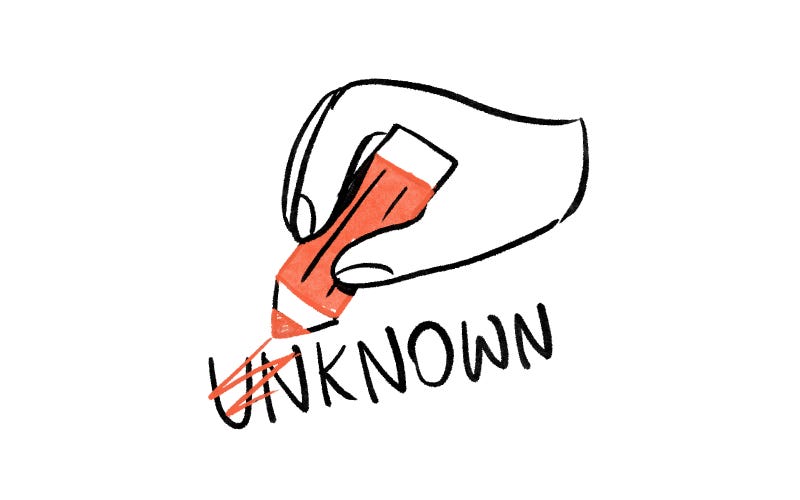
5. Never commit to unknown
Never. Ever. Don’t be afraid to decline the project if you don’t have enough details. I’m not saying that you shouldn’t ask as many questions as you can; if they can’t or don’t want to share enough details with you, it’s probably a good sign to think about. It’ll save your mental health, believe me.
I had so many great-looking opportunities and was so excited that I didn’t gather enough information to be sure I could take it on. In most cases there were many unexpected things I didn’t know at the beginning, making the overall experience not as seamless as it could have been if I knew more. It’s literally our job to know more to provide great results, and the lack of information will certainly cause some issues later in the process.
You probably already know about some “red flags” that you should notice before accepting any project. Well, the “lack of information” can be one of those red flags.
These small tips may seem so basic, but they really matter in our everyday work as designers. I wish I had known them at the beginning of my career. But the important thing is to get better at them as soon as you know. By improving, we can grow with every project and make freelancing more enjoyable and successful.
Thanks for reading,